Exploring the 5 Essential Components of Digital Marketing
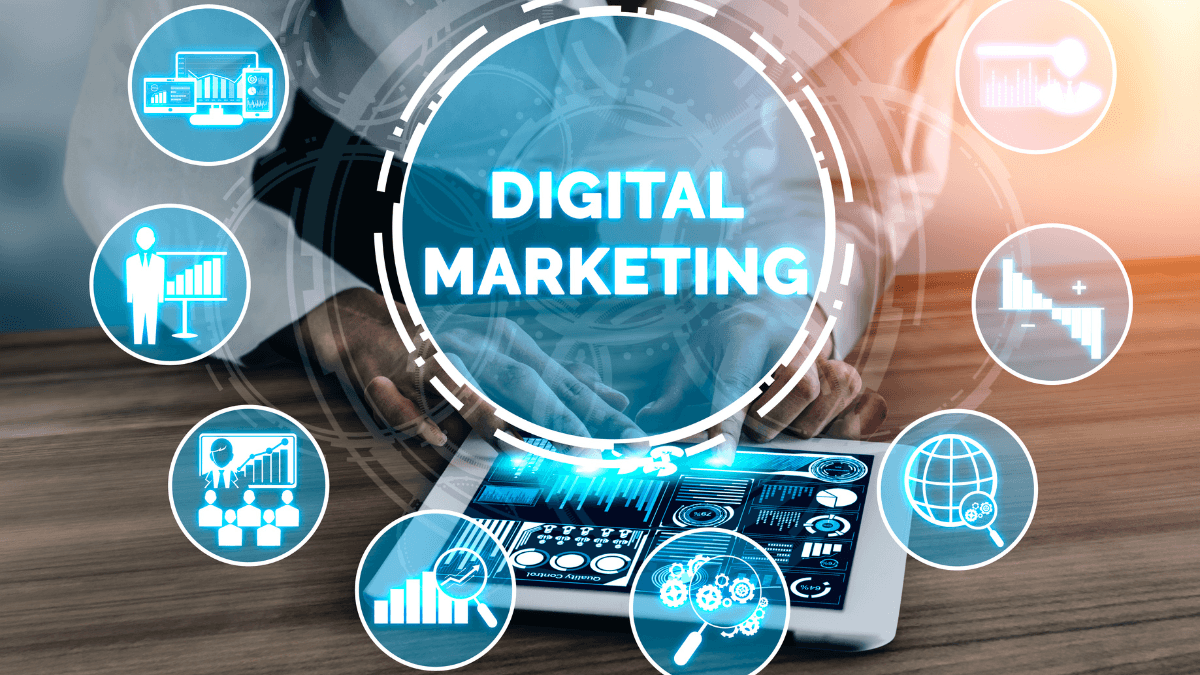
An organized system to create presence, traffic and facilitate long time relationships with customers.
The current form of digital marketing is more of a synchronized mechanism where multiple components collaborate to establish a presence online, as well as invite visitors and create sustainable customer relationships. Companies using single or two marketing strategies tend to have difficulties in expanding. Digital expansion commonly needs a harmonized model such that several plans sustain each other.
1. Brand and Foundation Setup
Every business needs to have a clear base before initiating any marketing campaigns. This phase is based on the formation of brand identity, researching the market and establishing credible data tracking that will help make informed decisions. When the groundwork is laid, marketing activities remain stable and quantifiable and in line with the business objectives of the long term.
In the absence of this preparation, campaigns can be out of touch, immeasurable, or incongruent to the brand. Putting time in market research, positioning and data set up provides a firm foundation that helps in all subsequent marketing operations.
2. Strategy and Channel Planning
Once the groundwork is laid, the businesses require a clear strategy through which they will conduct their marketing. This stage is aimed at setting goals, customer journey mapping, as well as selecting the most appropriate marketing channels.
One of the most effective methods to tie every marketing activity to an effective goal is a solid strategy that links the marketing activity to an objective that can be measured, be it brand awareness, lead generation, or revenue generation. Lack of a strategic plan tends to make marketing reactive as opposed to being planned and this may result in a haphazard approach and misuse of resources.
3. Traffic and Acquisition
Traffic generation involves bringing potential customers to the websites, landing pages, or other online sources the potential customers. The different acquisition channels can be used to reach out more and be more visible.
It is significant to diversify. Using only one channel of traffic can be a risky behavior whereas using several channels is a more scalable and more stable approach. The channels have their contribution to make. SEO creates long-term organic presence, paid ads create immediate exposure, and social media builds a stronger relationship with the community.
4. Content and Creative
The major mode of communication used by businesses to their audience is through content. High-quality content fosters trust and educates the customers and motivates the customers to interact every step of the purchase. Blog posts and social updates as well as videos and email campaigns are all based on the brand voice. Successful content strategies have a balance between consistency and creativity that prevents businesses from blending in an online crowded competitive world.
5. Engagement and Retention
The last phase is aimed at optimizing marketing results and establishing long-term relationships with the customers. Customer retention is usually cheaper than acquisition and thus the phase has become vital in the long term growth.
By using email marketing, messaging, remarketing, and community engagement, companies will be able to make customers more loyal and add value to their lifetimes. Customer satisfaction also increases their chances of referring other people to the brand.
Effective digital marketing is a product of the integration of several factors into one. These five basic elements base, strategy, traffic, content and optimization, provide a realistic framework for efficient marketing. Companies that establish the five areas simultaneously may become more brand-aware, attract the right followers, and establish long-term relationships with customers.

Jawa David
Jawa David is a results-driven Marketing Specialist with a strong focus on digital strategy, brand positioning, and performance-based growth. With experience across diverse industries, he specializes in SEO, content marketing, paid advertising, and data-driven campaign optimization that delivers measurable impact. Jawa combines analytical insight with creative thinking to build marketing systems that increase visibility, generate qualified leads, and strengthen brand authority. He is passionate about helping businesses adapt to evolving digital trends, leveraging emerging technologies and consumer behavior insights to create sustainable growth strategies. Known for his strategic mindset and detail-oriented execution, Jawa consistently transforms marketing goals into scalable success.