
Inside Apple’s Design DNA: Breaking Down the 4 Core App Design Principles
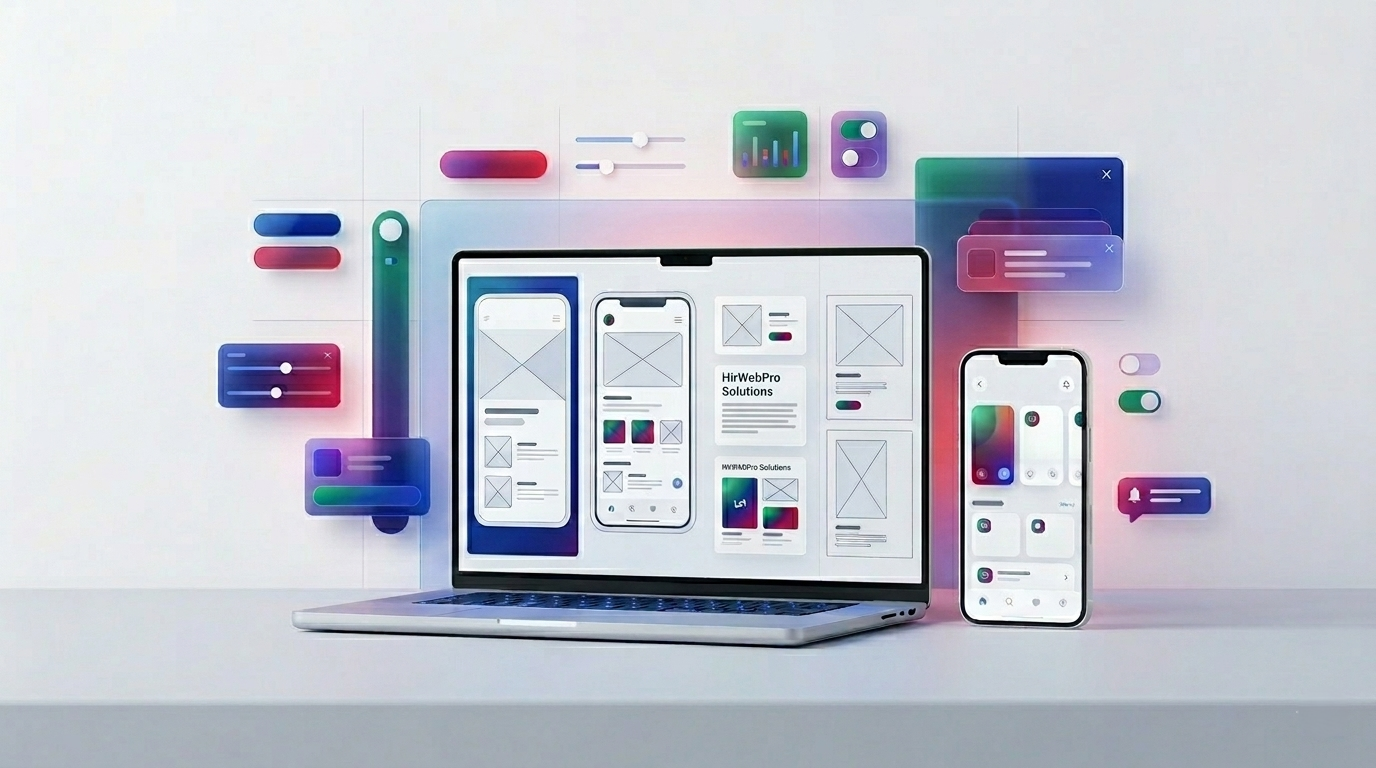
Apple has established an international brand of making digital products that are easy, classy and user-friendly. From the initial iPhone to the newest iOS applications, Apple pays much attention to the quality of design and experience. The design philosophy of Apple has been a subject of study among developers since it gives a solid ground on which to create user friendly products.
In modern mobile app development, design is not only about visuals but also about how users interact with an app. Apple’s approach ensures that apps remain easy to understand, visually balanced, and efficient to navigate.
Why Apple’s Design Philosophy Matters in Mobile App Development
The expectations of the user of mobile applications are greater than ever. Users require applications to be fast, attractive and user-friendly the first time they touch them. All these expectations are met by Apple’s design philosophy.
Apple has been able to design applications to be user-friendly thus making it easy to develop applications that are more interactive to users. A well structured design will enhance navigation and reduce the time of learning and make users want to revisit the application again.
In the case of firms in the mobile app development industry, embracing these principles will enable them to develop applications that can meet the usability level that users are already accustomed to iOS devices.
Understanding Apple’s Human Interface Guidelines
Apple has formal design principles known as Human Interface Guidelines. These rules help developers come up with applications that look and work in a similar manner across Apple devices.
They refer to navigation patterns, layout structure, accessibility standards, animations and interface components. Compliance with these can lead developers to develop applications that are natural within the Apple ecosystem.
Developers and designers are able to peruse the official documentation itself via Apple Human Interface Guidelines, which is a description of how Apple organizes user experiences on its platforms.
The Four Core Apple App Design Principles
There are four design principles on which Apple’s whole interface is based. These guidelines assist developers in creating applications that are intuitive and compatible with Apple devices.

Clarity
Apple achieves clarity through simple layouts, readable typography, and clear navigation structures. Buttons are easy to recognize, icons remain meaningful, and important actions are visually emphasized.
For example, labels are often placed directly with buttons so users instantly know their function. Apple also avoids unnecessary decorative elements that could distract users.
In mobile app development, clarity improves usability because users can quickly understand how to interact with an application. This reduces frustration and increases user satisfaction.
Design practices that support clarity include:
- Using readable font sizes
- Maintaining strong color contrast
- Keeping navigation simple
- Limiting unnecessary interface elements
When clarity is maintained, the interface becomes intuitive even for first time users.

Deference
Interface elements stay subtle and minimal. Colors, animations, and controls exist to guide users but never overpower the main content.
For example, photo viewing apps often hide controls until the user taps the screen. This allows images to remain the primary focus while still providing easy access to tools when needed.
In mobile app development, deference helps maintain visual balance. By reducing visual clutter, designers allow users to focus on meaningful actions and content.
Design strategies that support deference include:
- Minimal interface controls
- Subtle transitions and animations
- Clean layouts with sufficient spacing
- Focus on primary content areas
This approach creates interfaces that feel elegant and distraction free.

Depth
As an illustration, as a user opens up a new page or moves between the last screen the animation conveys motion in the app structure. These transitions can assist users in knowing their position within the application.
There is also depth, which enhances navigation since it visually isolates layers of information. The background layers give context with the elements in the foreground being interactive.
In mobile app development, depth enhances user guidance. Motion and layering help users recognize navigation patterns without needing instructions.
Common design methods used to create depth include:
- Layered interface elements
- Smooth navigation transitions
- Motion effects that show hierarchy
- Visual shadows or elevation
These elements create a sense of structure and movement within the interface.

Consistency
As an illustration, typical gestures like swipe, tap, and pinch can be used similarly in iOS applications. Navigation bars, menu structures and icons are also designed in familiar designs.
This uniformity makes the users have less to learn. When individuals download a new application, they can frequently use it instantly since the interface adheres to familiar rules.
To developers working in the mobile app development field, consistency is the key to developing professional applications that are reliable and predictable.
Ways to maintain consistency include:
- Using standard iOS interface components
- Following established navigation structures
- Keeping icons and buttons recognizable
- Maintaining consistent interaction patterns
Consistency ultimately builds trust between the user and the application.
How These Principles Improve User Experience
A combination of clarity, deference, depth, and consistency generates a smooth user experience. The user can easily navigate, quickly understand what to do, and do anything without confusion.
These principles also improve accessibility and usability across different types of users. Clear interfaces help beginners while consistent patterns benefit experienced users.
For businesses investing in mobile app development, applying these principles often leads to higher engagement, better app reviews, and stronger long term user retention.
The success of Apple’s design of Apple is due to a disciplined and user oriented philosophy. Through their application of clarity, deference, depth, and consistency, Apple is able to make each interface intuitive and efficient.
By learning and implementing these principles, developers are able to create applications that are up to date with the standards of usability. The integration of these design principles into the creation of mobile apps in the current competitive digital landscape can be used to develop applications that are unique and provide users with an outstanding experience.

Jay Methew
Jay Methew is a passionate web developer and designer dedicated to building high performance, user focused digital experiences. With a strong foundation in modern coding standards, responsive design, and UI/UX strategy, Jay transforms complex ideas into clean, functional websites that drive engagement and business growth. He combines technical precision with creative thinking to craft websites that are fast, secure, and visually compelling across all devices. From custom WordPress development to scalable eCommerce solutions and performance optimization, Jay focuses on delivering solutions tailored to each brand’s goals. His approach blends innovation, usability, and strategic design to ensure every project stands out in today’s competitive digital landscape.